Move off legacy BI without rebuilding reports
MigrateFAST automates assessment, conversion, and validation onto Microsoft Fabric, running the migration end to end so you cut cost and reach value sooner.
Benefits
Automates report conversion, Data Analysis Expressions (DAX) generation, and inventory, cutting months of work to weeks with fewer manual fixes.
Reduces manual effort and resource overhead across the full migration lifecycle.
Automation handles large, complex BI estates at any volume, across any enterprise.
End-to-end migration lifecycle
Discovery
Inventory assets, score complexity and similarity, and map dependencies.
Estimation and planning
Scope effort, assess risk, and prioritize the migration plan.
Automated migration
Agentic AI converts reports, models, and pipelines at scale.
Review and testing
Visual diff, data validation, and human sign-off.
Governance
Lineage, security, row-level security, and workspace standards.
Hypercare
Post-launch support, optimization, and adoption.
Tell us which platform you are migrating from and how large the estate is. We will come back with a scoped approach and an estimate.
Supported source platforms
MigrateFAST automates migration to Microsoft Fabric from each of these platforms.
Accelerate your Tableau to Power BI (Fabric) migration with MigrateFAST
See how a highly automated 6-step approach reduces manual effort and accelerates Tableau to Power BI migration at enterprise scale.
Read the story
Case studies
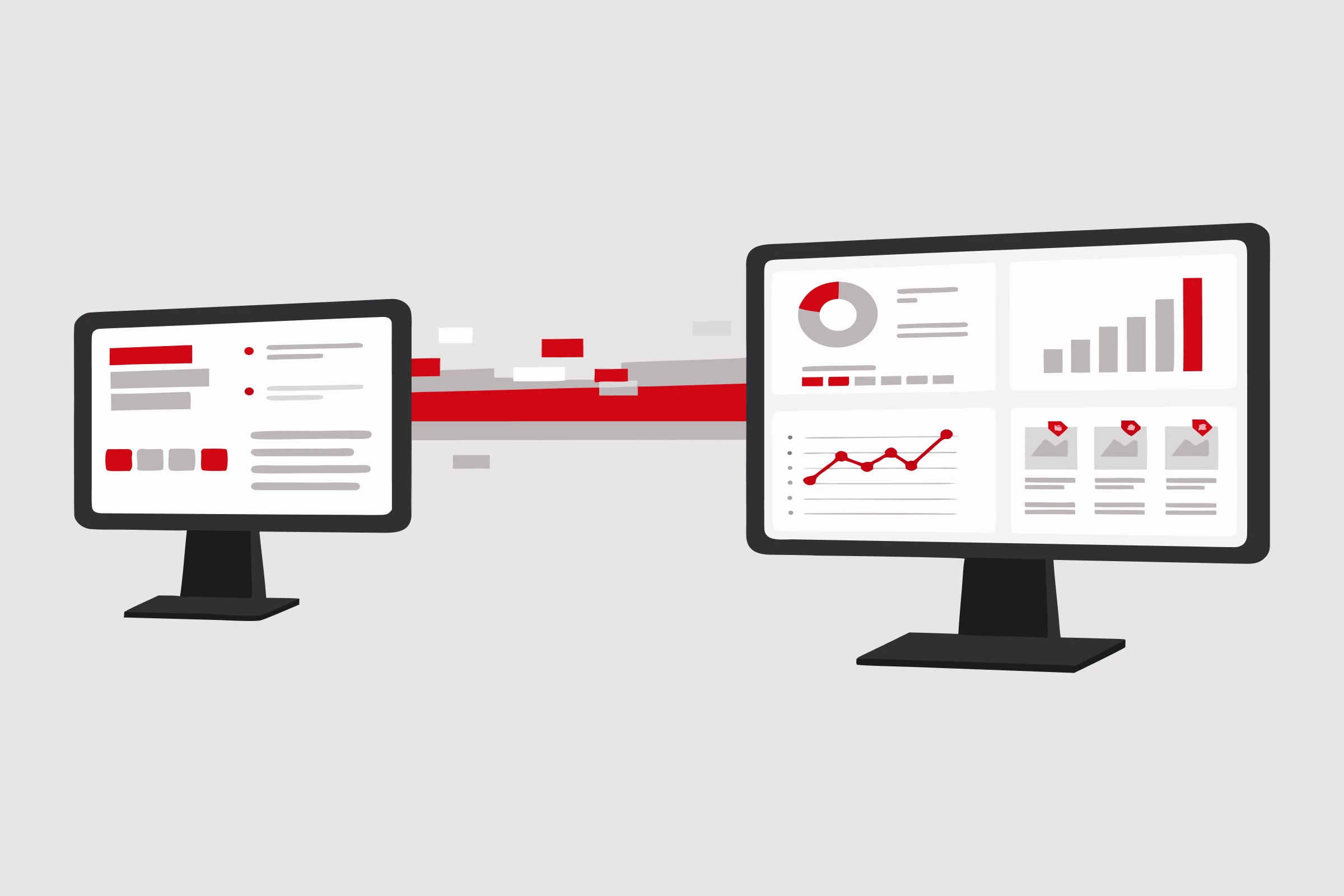
Improving sales insights with a migration from SAP BOBJ to Power BI
Learn how migrating 120+ reports and 100M+ rows improved performance, mobile access, and decision-making for global sales teams.
Read the story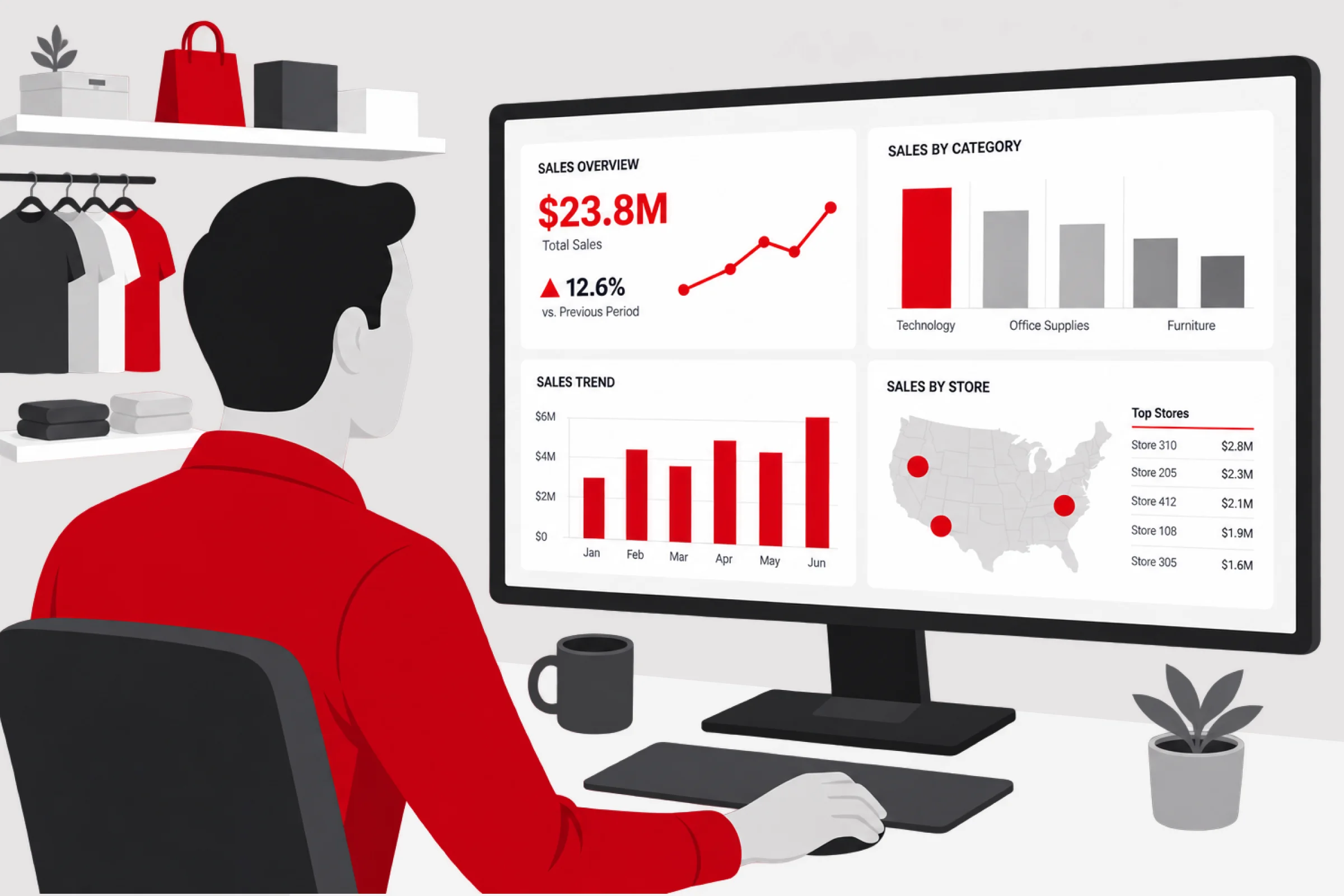
Enhancing retail sales reporting by migrating from MicroStrategy to Power BI
Explore how 150+ legacy reports were consolidated into streamlined Power BI reporting with better usability and lower licensing cost.
Read the story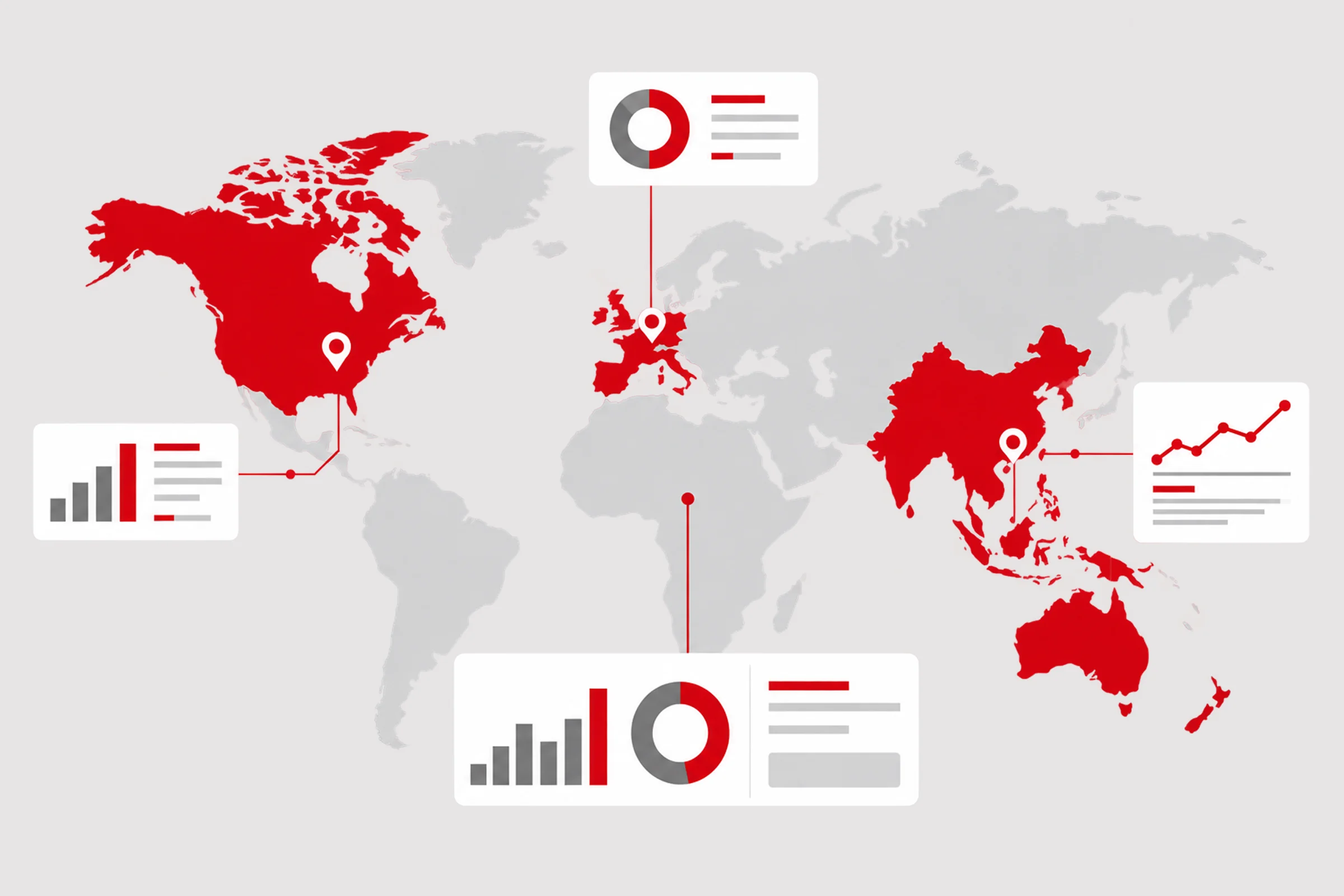
Transitioning legacy reports from Qlik to Power BI
Discover a phased global migration strategy that preserved legacy functionality while improving report performance and user adoption.
Read the story